Deniz Jo
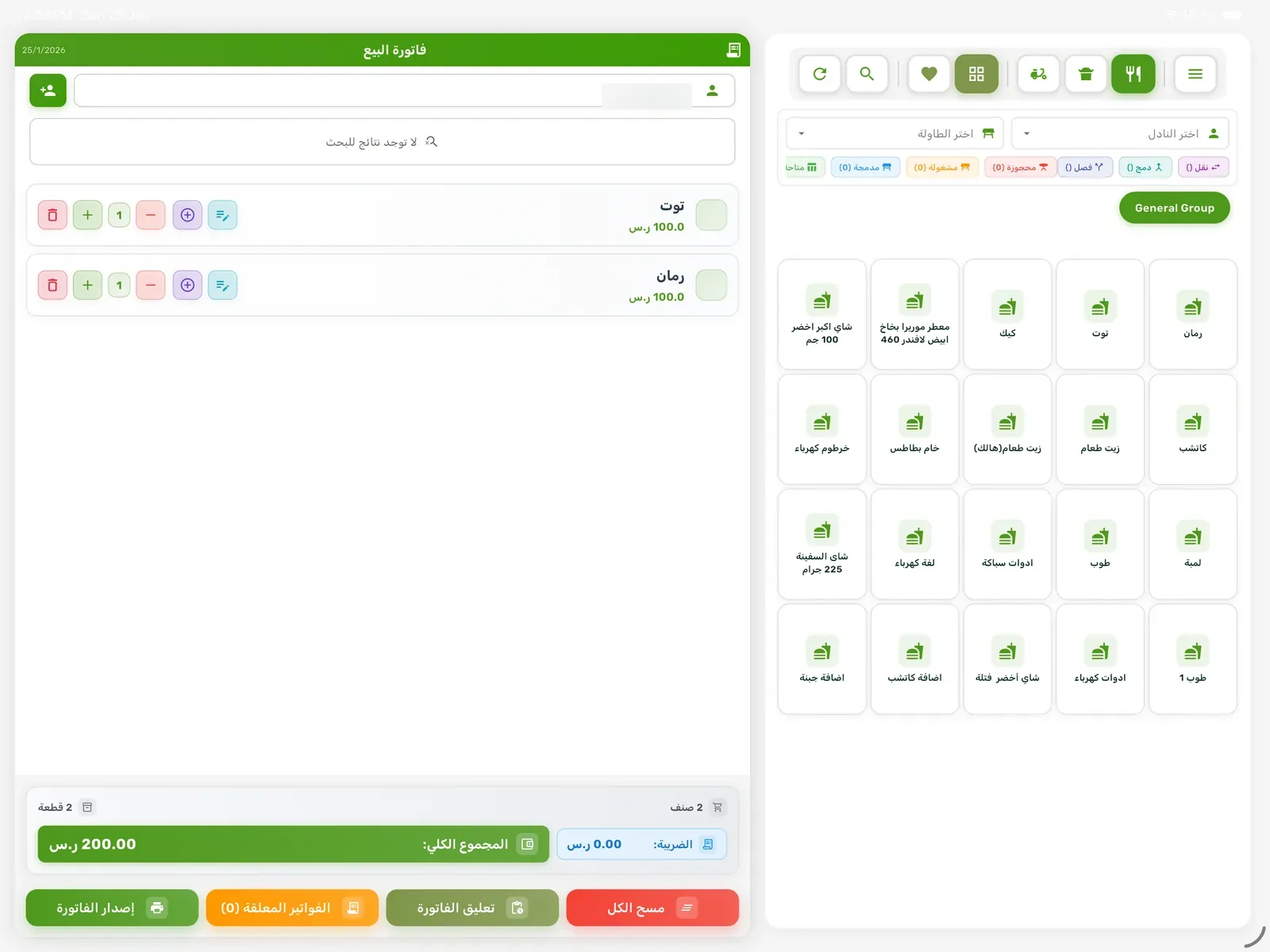
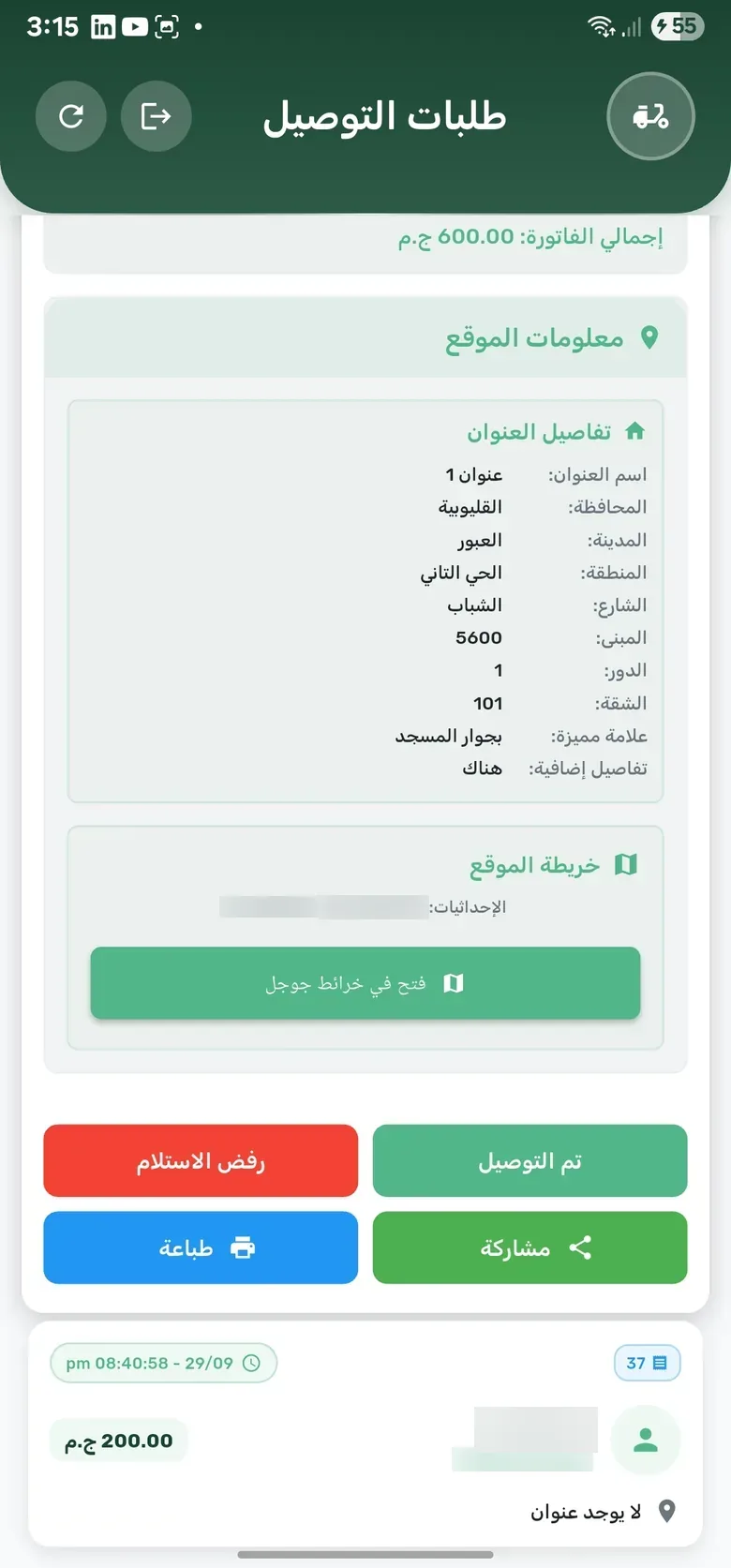
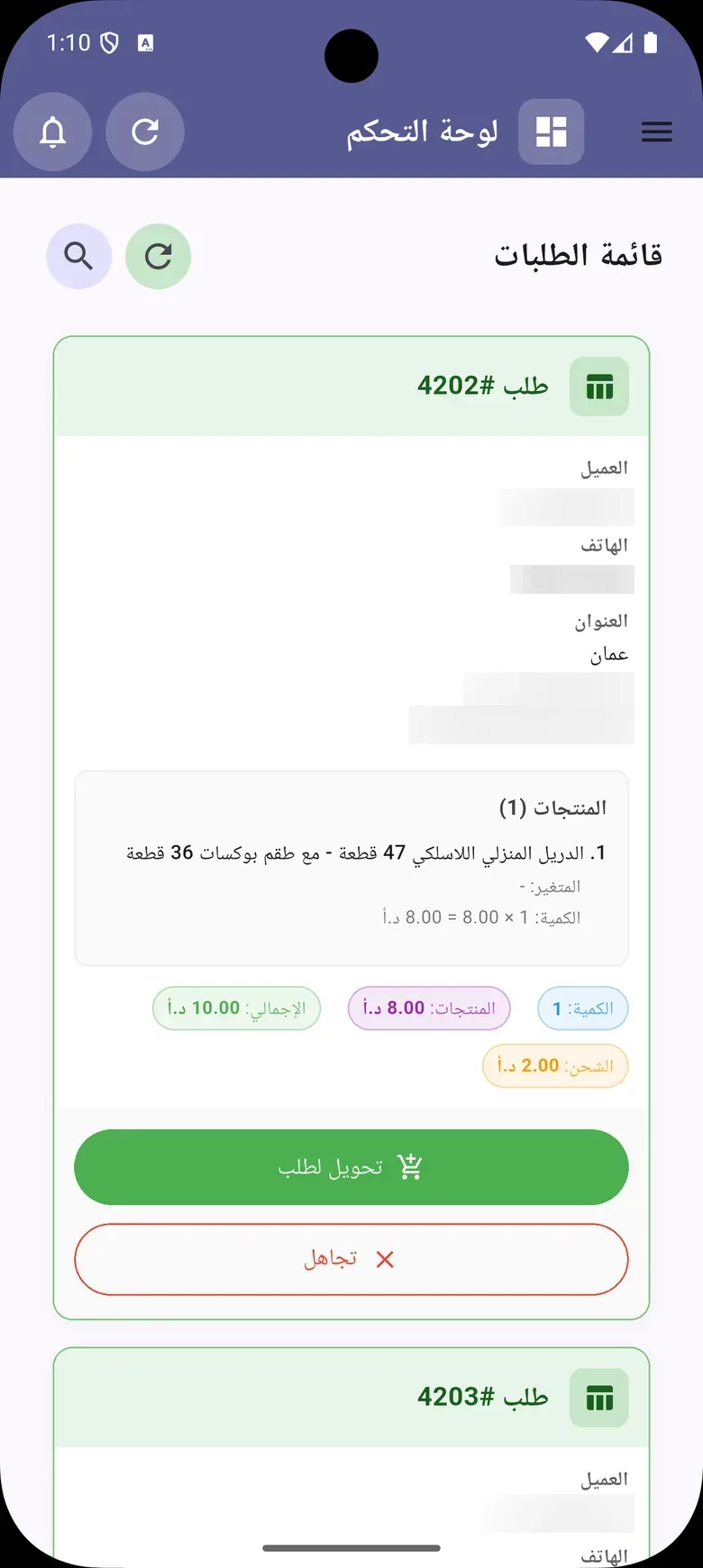
The company ran orders, stock, drivers and accounts on separate Excel sheets. I built it an internal system of six parts that talk to each other in real time: orders, delivery, warehousing, accounting, administration and shipping, and connected it to the company's existing online store so its orders flow straight in.
The challenge
Orders, stock and accounts spread across files that never stayed in sync.
No real-time view of an order's status between the office and the driver.
Payroll, commissions and invoices calculated by hand.
Inside the product
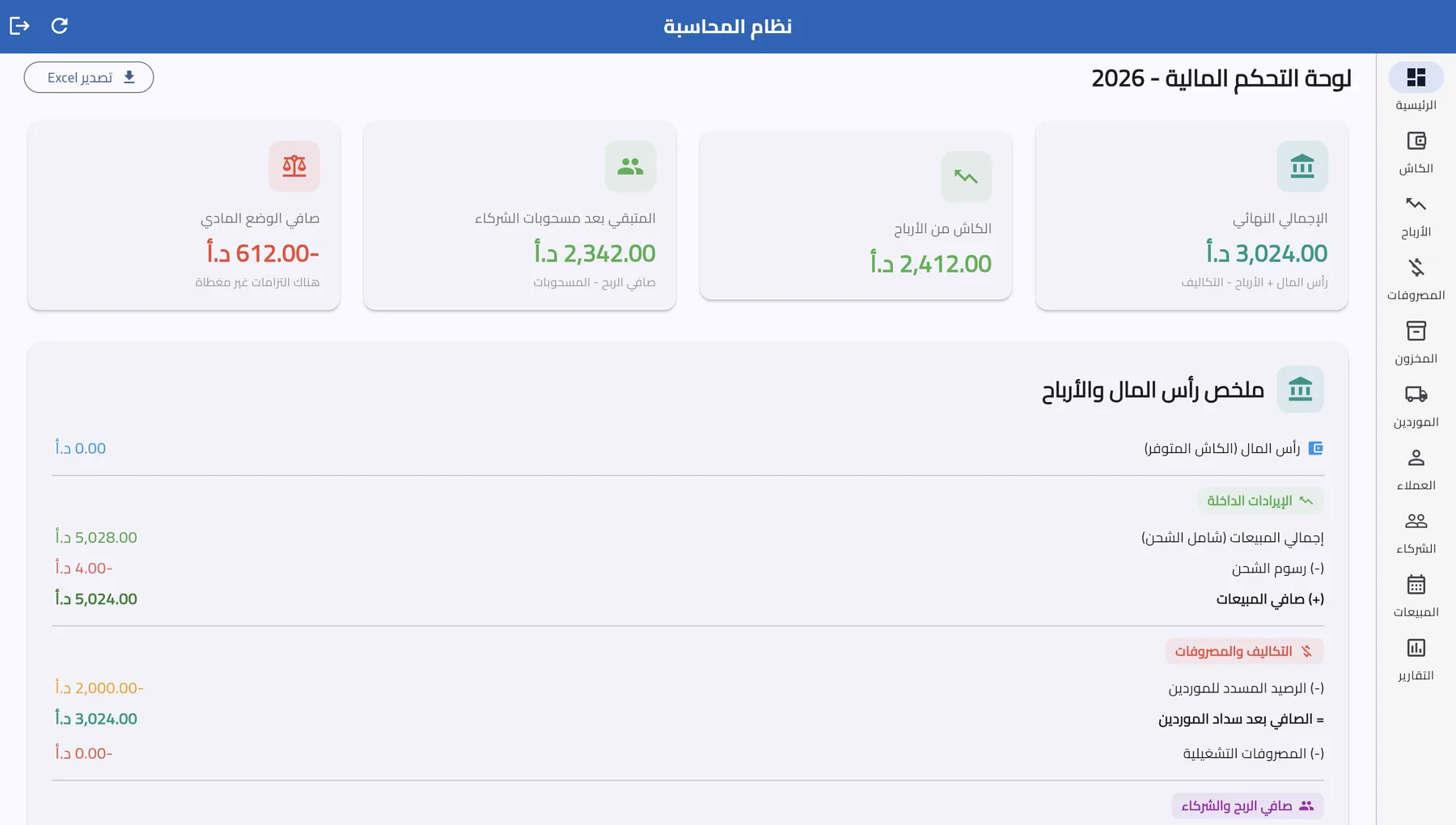
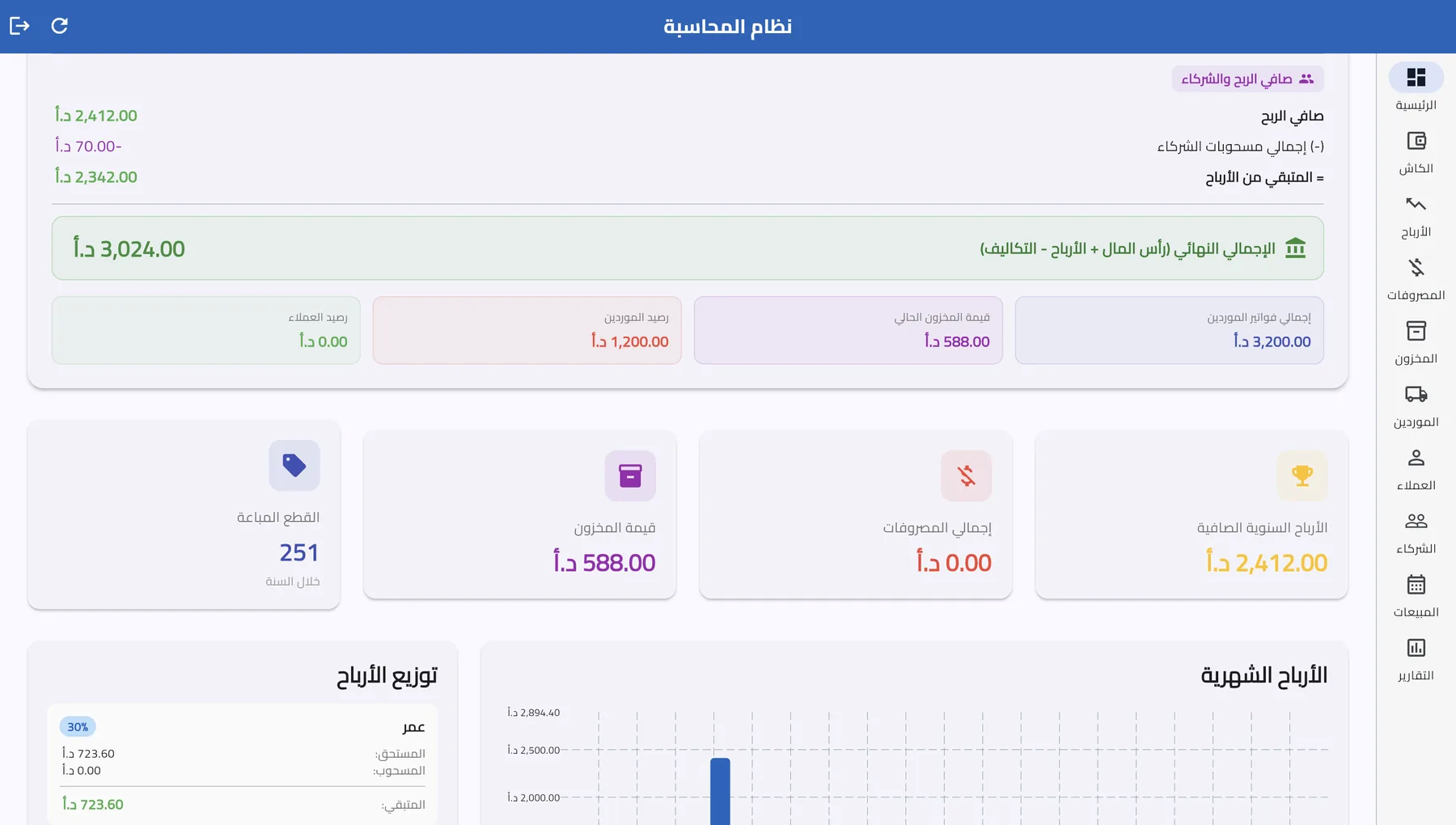
Accounts the owner can read
Capital, revenue, supplier payments, expenses and partners' withdrawals in one statement, down to the net position.
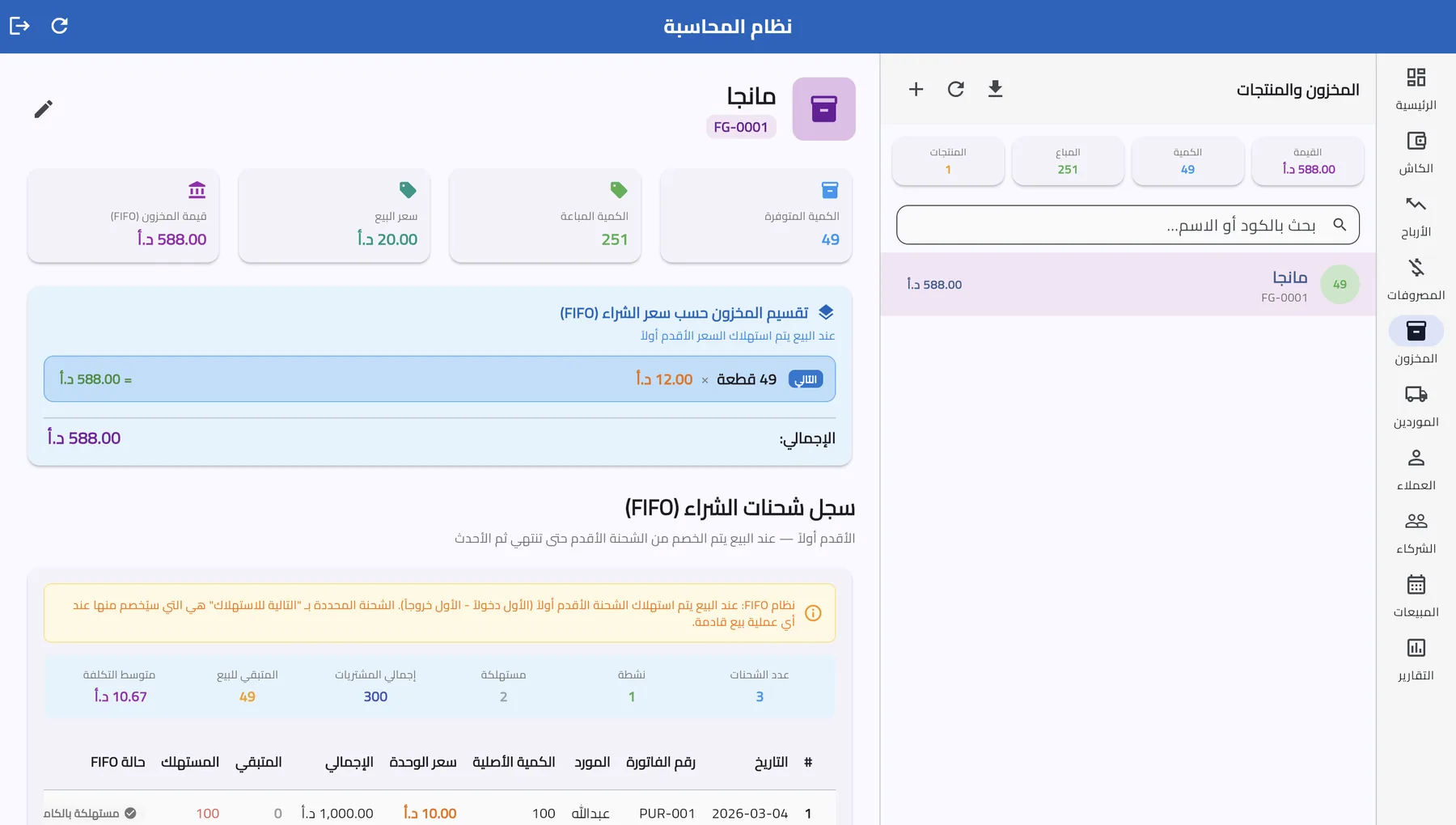
Stock valued first in, first out
Each sale draws from the oldest purchase shipment first, so the cost of every piece is known.
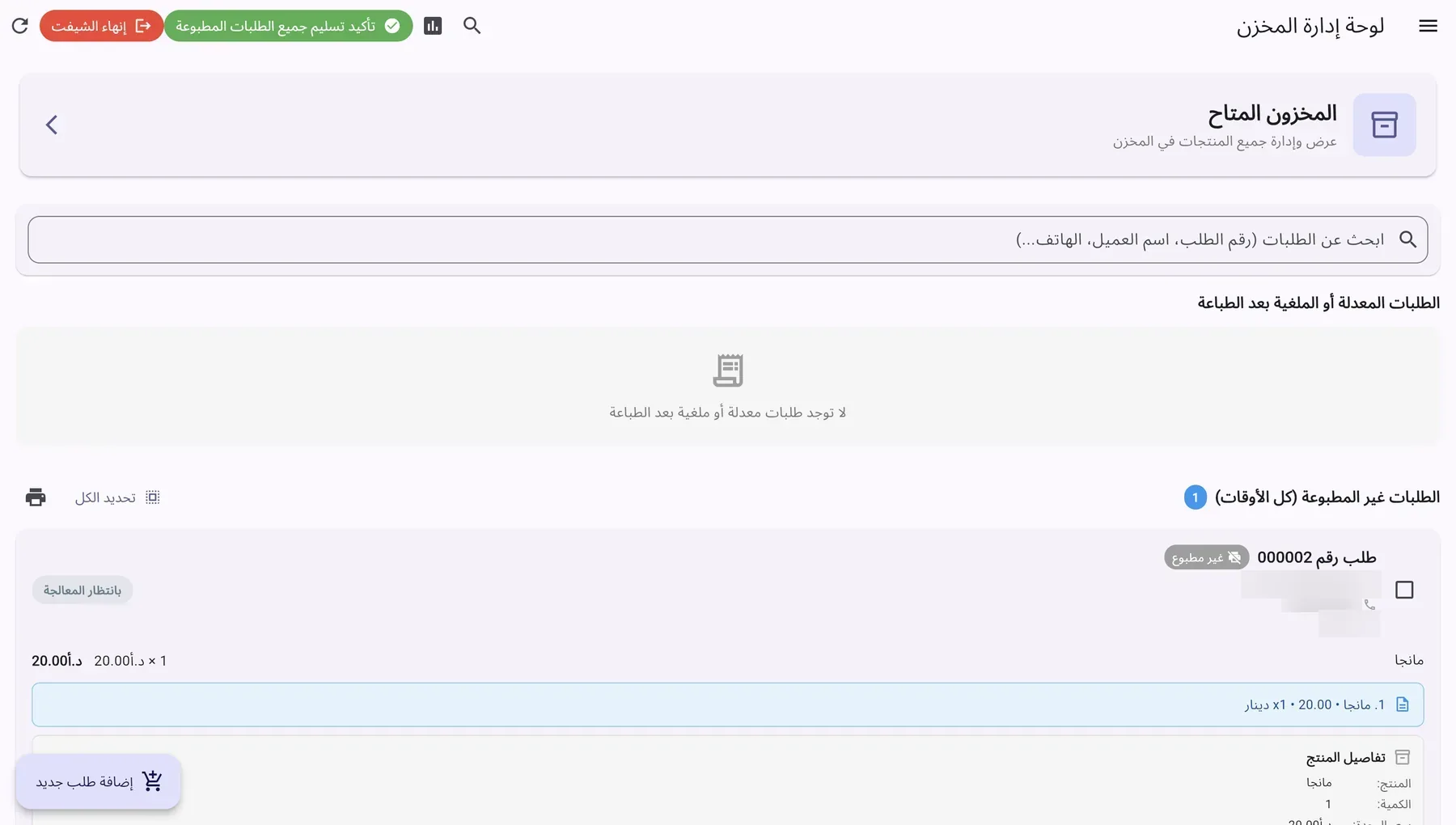
Printing is part of the workflow
Orders move from unprinted to printed to delivered, and the warehouse is alerted to anything edited or cancelled after printing.

A portal for the shipping partner
The courier sees the last seven days of orders with cash-on-delivery totals, and exports any day to Excel.
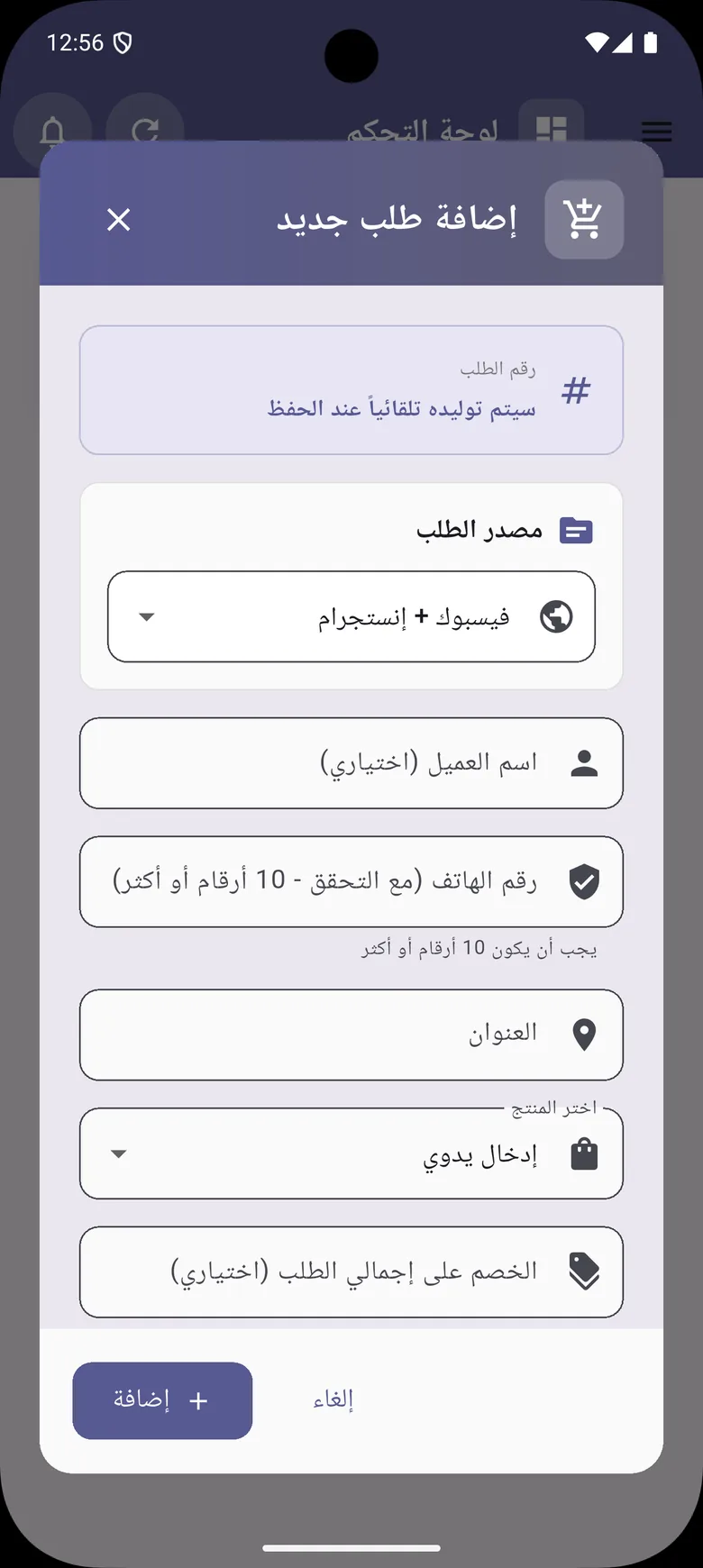
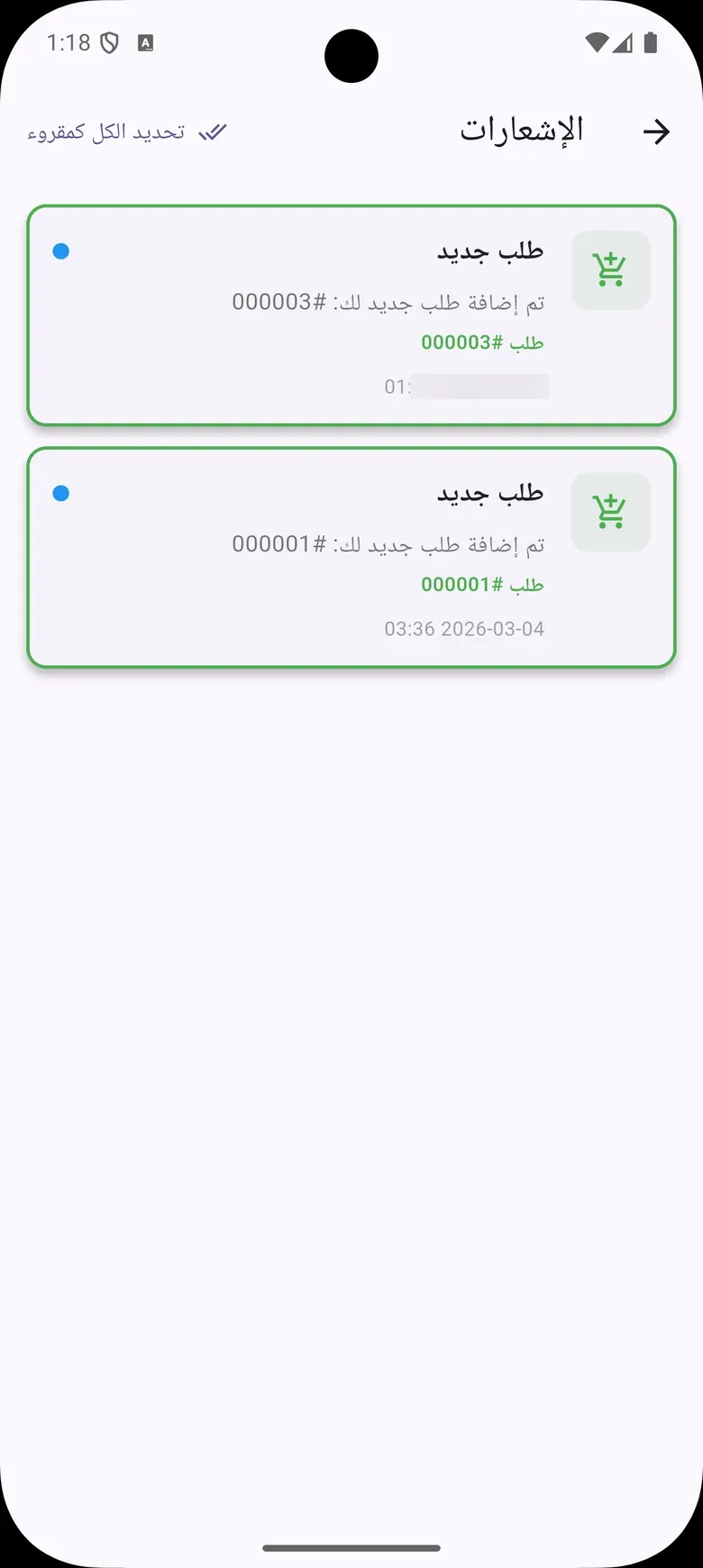
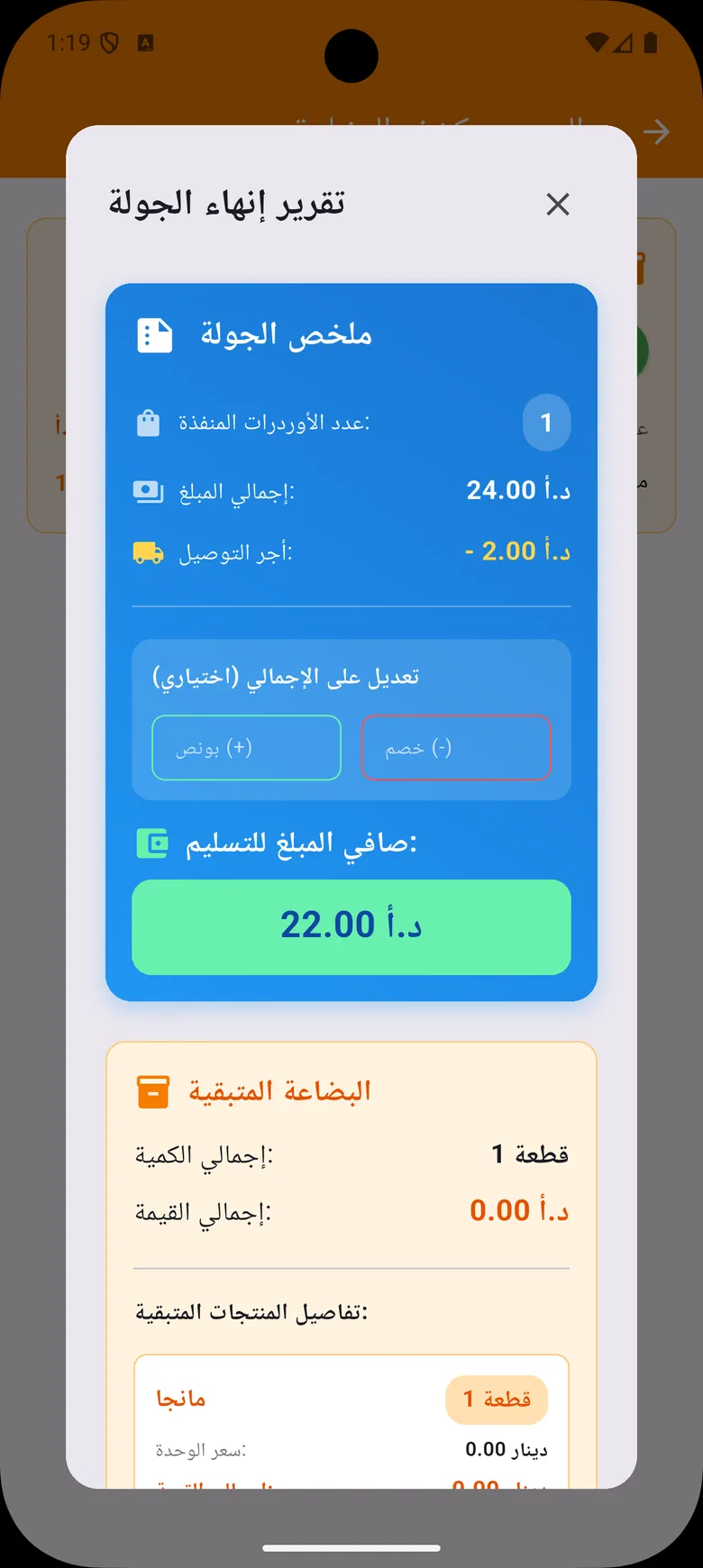
Apps for the team on the move
Staff add orders with validated phone numbers. Drivers get notified and close each run with a report of cash and remaining goods.
What I built
- An order system that takes in the online store's orders through EasyOrder, tracks them and sends notifications.
- A driver app with routes, statuses and an end-of-run report.
- Warehouse management with stock levels, warranties and automatic barcodes.
- Accounting for payroll, commissions and invoices, and an admin console for permissions and reports.
Outcome
- Work that lived in spreadsheets now happens inside the system, and store orders arrive in it automatically.
- Six subsystems in real-time sync.
Technology
FirebaseReal-time syncEasyOrder